

- {SECTION_MENU}
Lavender Class Year 3 and 4
Welcome to Lavender Class!
Our class teacher is Mrs Gorczyca.
Our teaching assistants are Mrs Wright and Miss Edge.
On Friday afternoons, Lavender class are taught by Miss Walker and our PE Coach, Kian.
Should you wish to contact Mrs Gorczyca, please do so either via the school office or the Arbor parent app.
Notices
Our Class Timetable

Swimming takes place every Monday for Year 4 pupils.
Year 3 pupils will have PE on a Monday & Friday.
Year 4 pupils will have PE on a Friday.
| PE Kit | Swimming Kit |
| Plain white t-shirt | Towel |
| Black shorts, leggings or joggers | Swimming shorts or costume |
| Black jumper (no hoodies) | Swimming cap for long hair |
| Plain black trainers or pumps |
Homework
Reading books are to be in school every day and will be changed on a Monday.
Homework is given out every Friday to be returned the following Wednesday.
Homework will consist of weekly spellings, timetables accessed via TTRS and a weekly English task.
Reading at St George’s
Reading is a huge part of life at St George’s. We ask that all children read at least 4 times a week at home to ensure they become fluent, comprehensive readers. Children will receive a raffle ticket every time there are 10 signatures in their reading record. One ticket will be drawn from each class at the end of every half term. The winner will receive a reading hamper of age appropriate books.
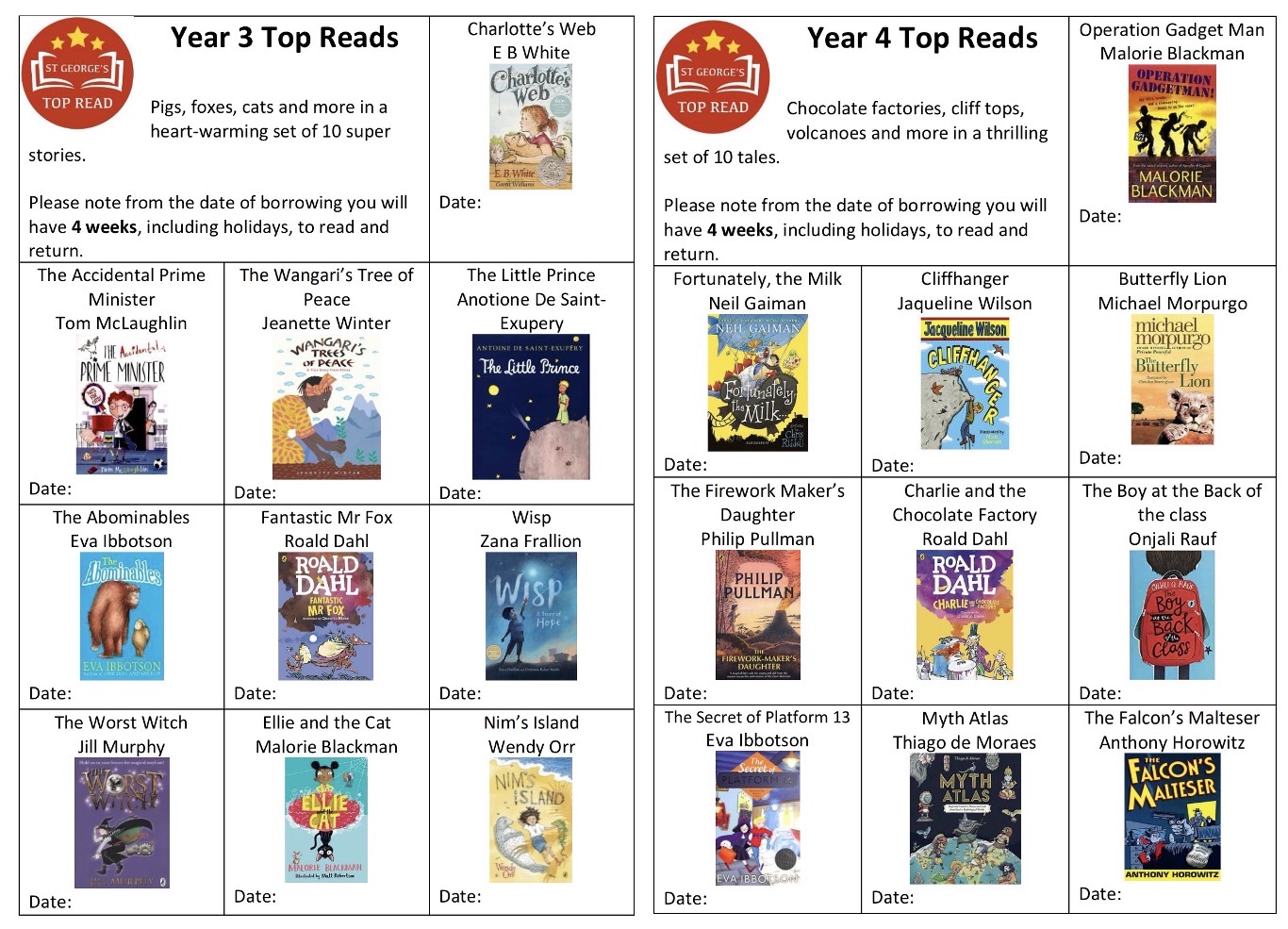
Alongside our class library, we also have our Top 10 Reads. These are books which have been specially chosen to promote reading for pleasure, equality and a high level of vocabulary. Children are encouraged to read as many of these 10 books throughout the year and record which they have read in the reading record.
English
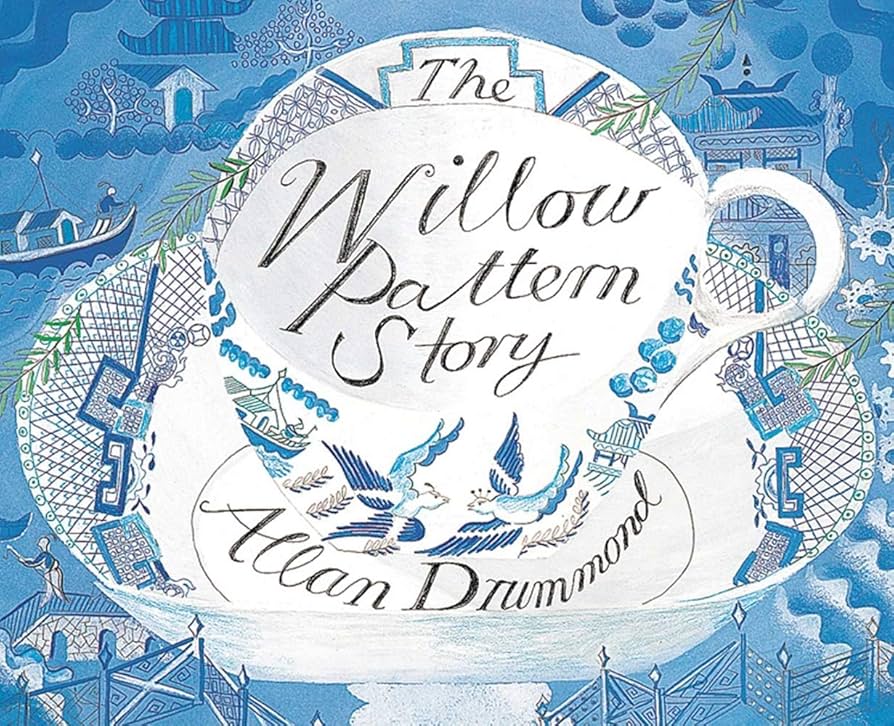
Willow Pattern china design. The story follows Koong Shee, the daughter of a wealthy mandarin, who falls in love with Chang, a servant. Her father disapproves of their relationship because of their different social status and plans for Koong Shee to marry someone else.
Determined to be together, Koong Shee and Chang secretly communicate and eventually escape. However, her father relentlessly pursues them. After a series of adventures and hardships, the lovers are captured and face a tragic fate.
According to the legend, the gods are moved by their devotion and transform the couple into two doves, allowing them to stay together forever. The images in the Willow Pattern design—such as the bridge, pagoda, willow tree, and birds—represent important parts of their story.
The book explores themes of love, loyalty, courage, and the triumph of true love over obstacles.
Through this text we will be writing a story with speech, a report and exploring poetry.
Maths
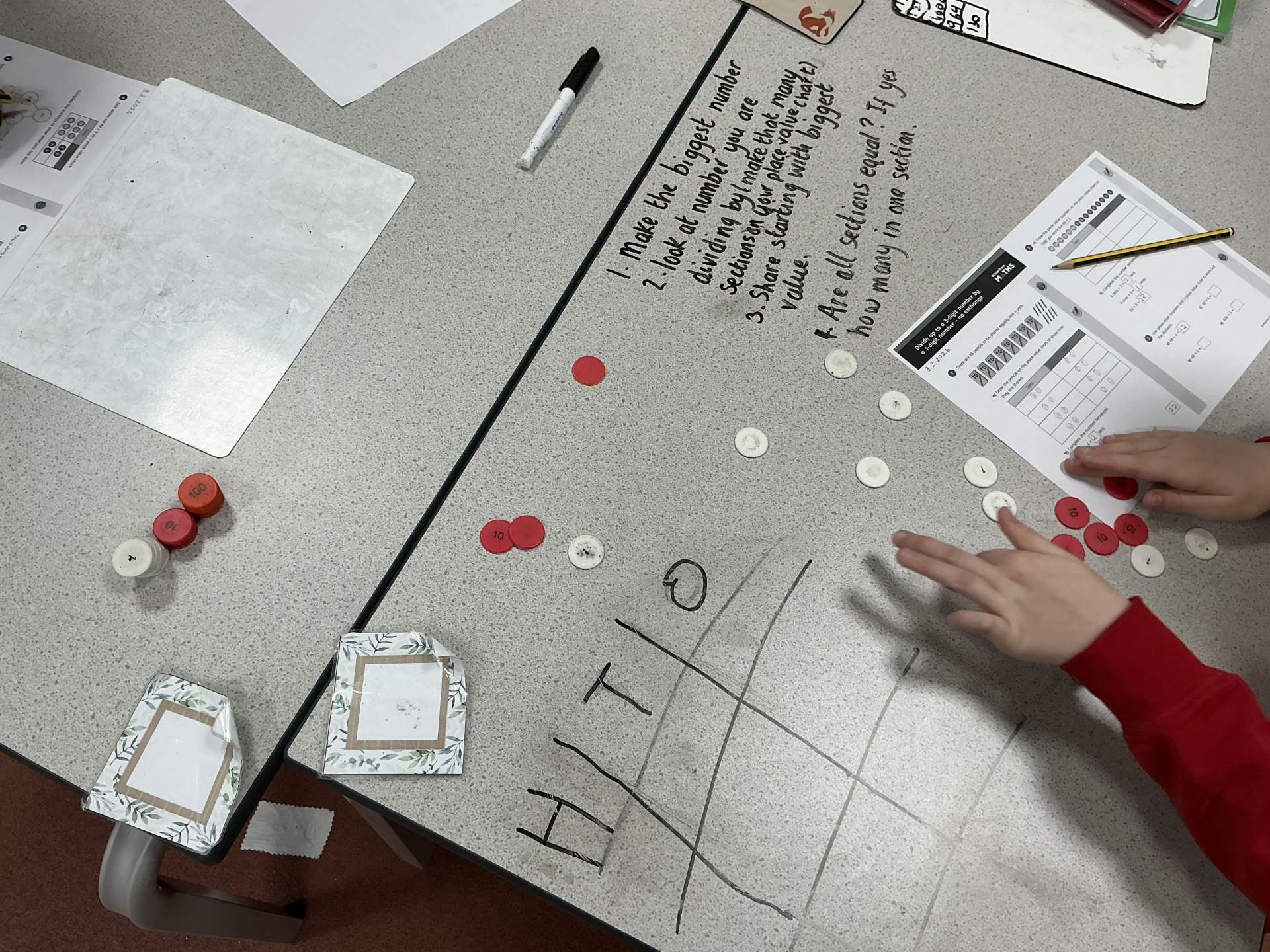
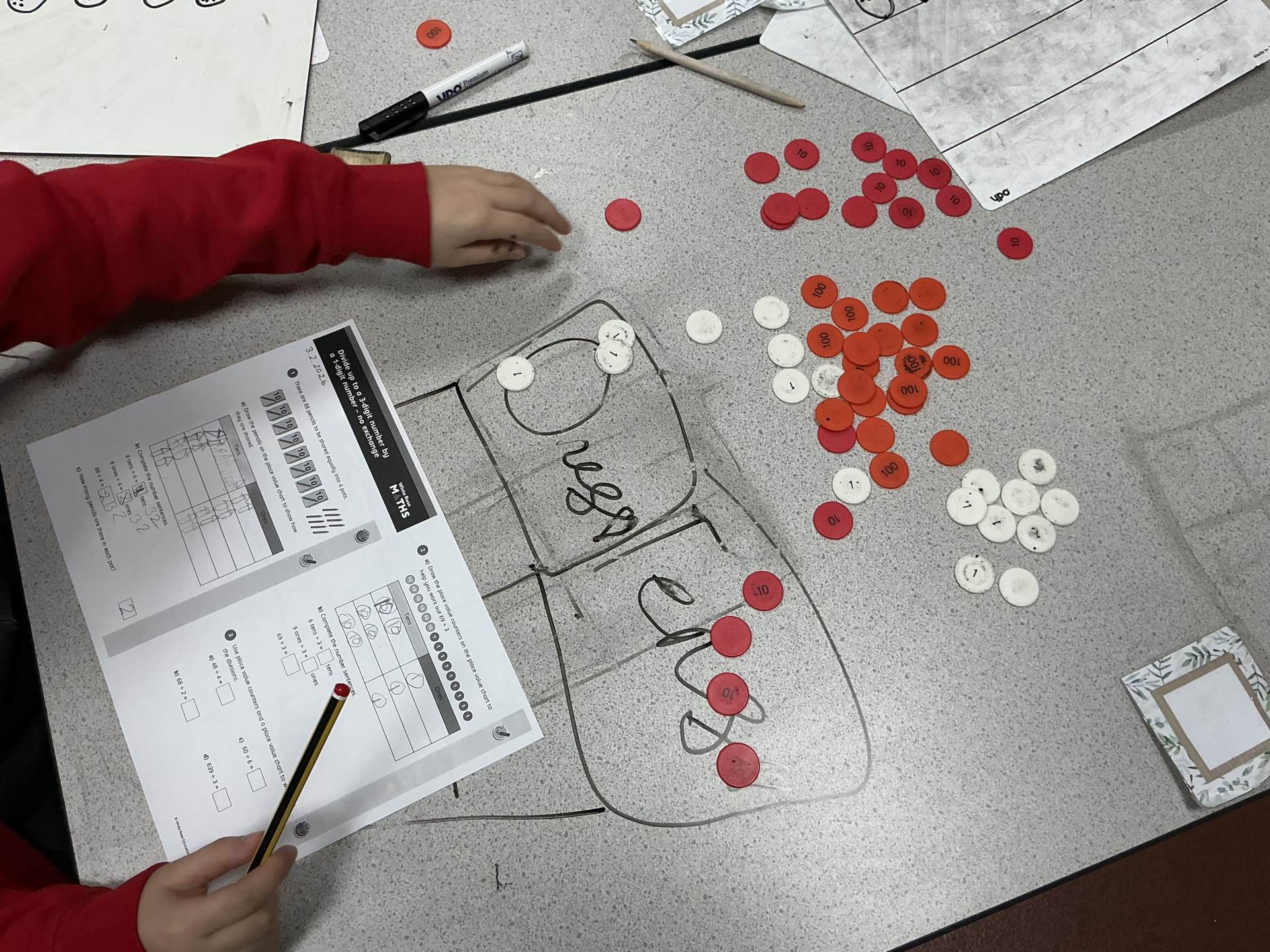
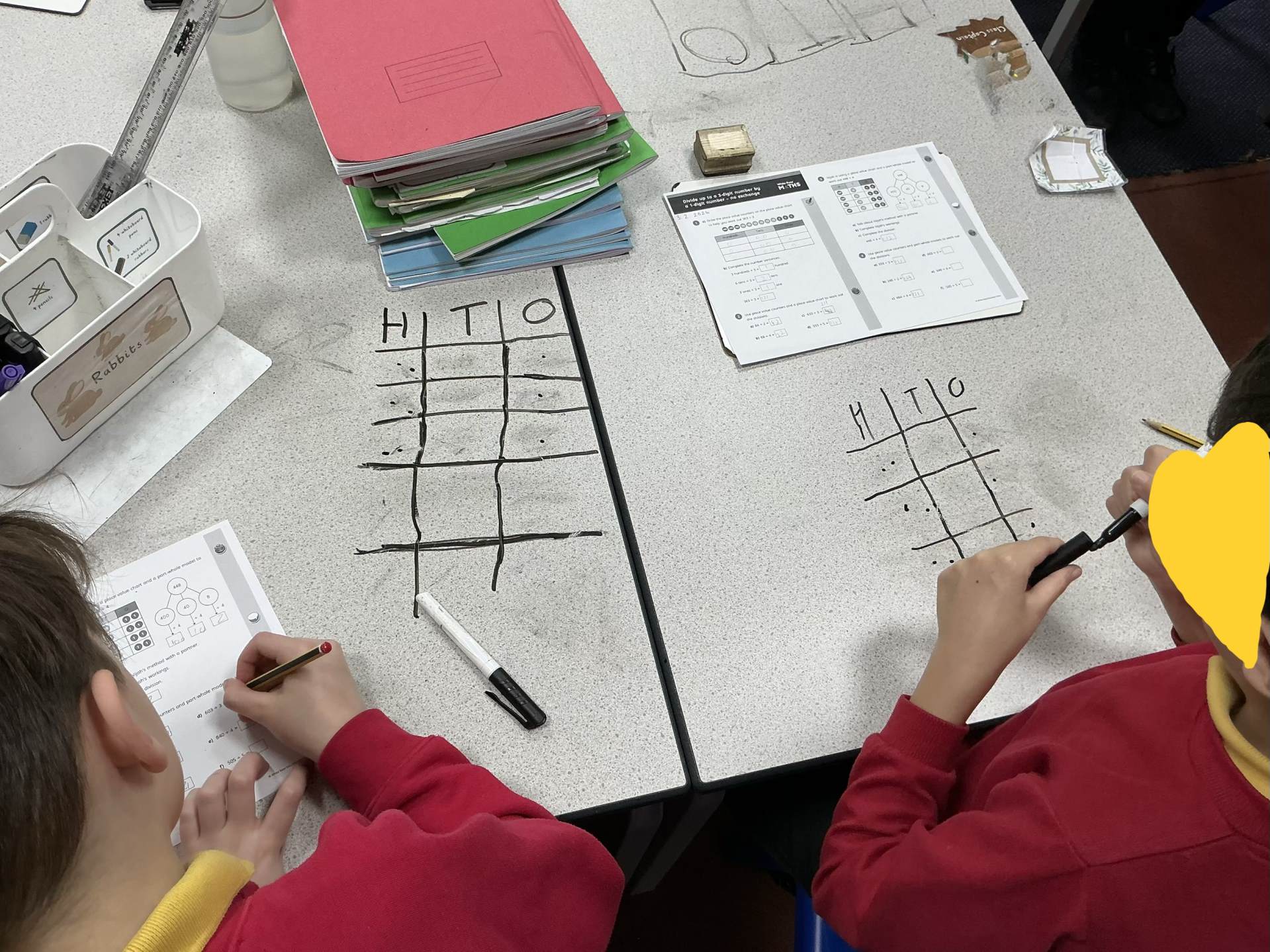
This half term in maths, pupils will be beginning the half term with time before moving onto decimals, money, shape, position & direction and statistics.
To support maths learning at home, please ensure you child is engaging with TTRS. Times Tables Rockstars is an online educational platform and app used to learn, practise, and improve multiplication (times tables) and related division skills through fun, game-based activities. Pupils can practise individually or enter into rock battles with their classmates and teachers.
Please speak to Mrs Gorczyca is you require your child's log in details.
Science
Animals, including Humans
This half term in science, we will be learning about animals, including humans.
Learning Challenges:
- What effect does the food we eat have?
- Where is my skeleton and what does it do?
- What are my muscles and what do they do?
National Curriculum Objectives:
- Identify that animals, including humans, need the right types and amount of nutrition, and that they cannot make their own food; they get nutrition from what they eat.
- Identify that humans and some other animals have skeletons and muscles for support, protection and movement.
RE
Thematic
In this unit, pupils will find out about how Jewish, Christian, Muslim, and non-religious people try to care for the world. They will consider what motivates people from these worldviews to care for the world, basing their knowledge on scripture and religious teachings. Pupils will consider why the world is not always good and make simple links to religious (e.g Christian, Jewish, Muslim) and non-religious (e.g Humanist) worldviews. They will find out about the Jewish idea of Tikkun Olam and consider how charities like Tzedek help Jewish people to live out ideas and teachings, considering diversity of views. Pupils will have opportunities to raise their own questions about caring for the world and consider the responsibility that everyone must care for the world.
Learning Challenges:
- How and why do people try to make the world a better place?
- What is wrong with the world?
- How can the 'Golden Rule' help people to work out how to make the world a better place?
- Tikkun Olam, repairing the world: how do Jewish people try to make the world a better place?
- Who is inspired by Jesus' example of sacrifice?
- How do Muslims try to make the world a better place?
- How do non-religious people try to make the world a better place?
History
Shang Dynasty of Ancient China
In History this half term we will be learning about the Shang Dynasty of Ancient China
Learning challenges:
- Where and when did the first civilisations appear?
- What was the Shang Dynasty and how was it organised?
- Bronze Age: Where was the Shang Dynasty and when did they rule?
- Where was the Yellow River and why was it important to the Shang Dynasty?
- Oracle Bones: What did the Shang people believe in?
- Who was Fu Hao and how do we know about her?
National Curriculum Objectives:
- The achievements of the earliest civilizations – an overview of where and when the first civilizations appeared and a depth study of one of the following: Ancient Sumer, The Indus Valley, Ancient Egypt, or the Shang Dynasty of Ancient China.
Art
Painting
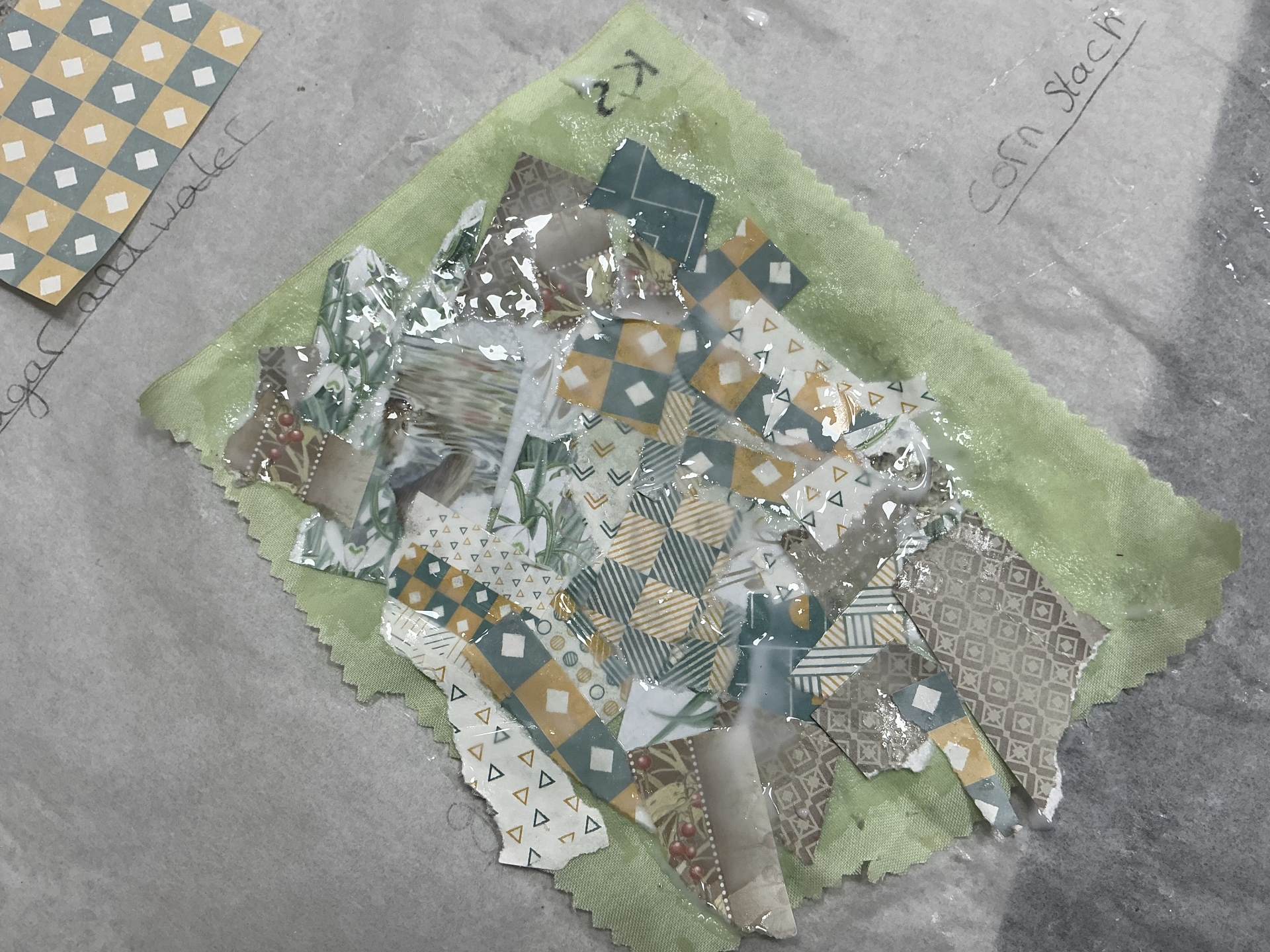
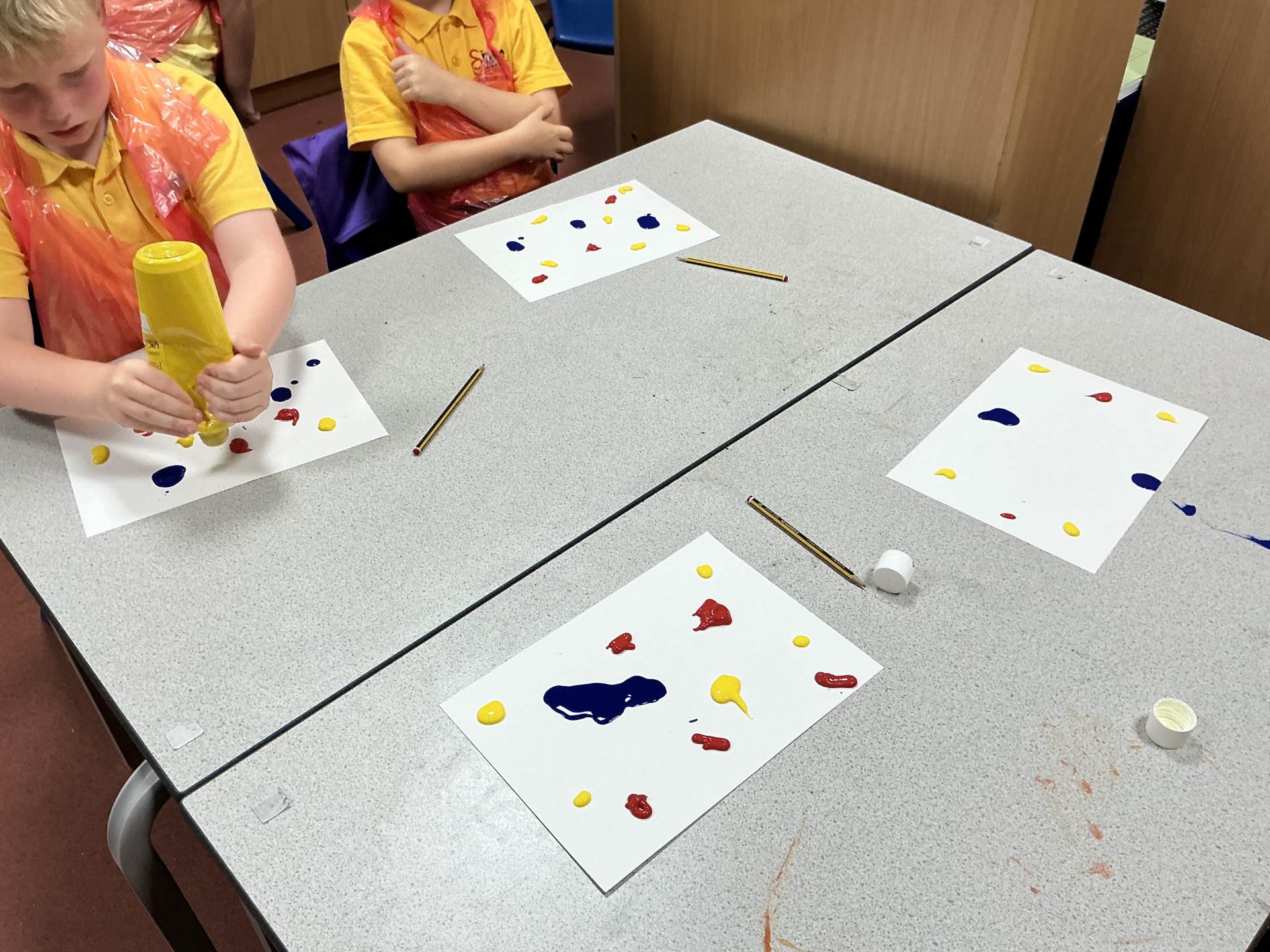
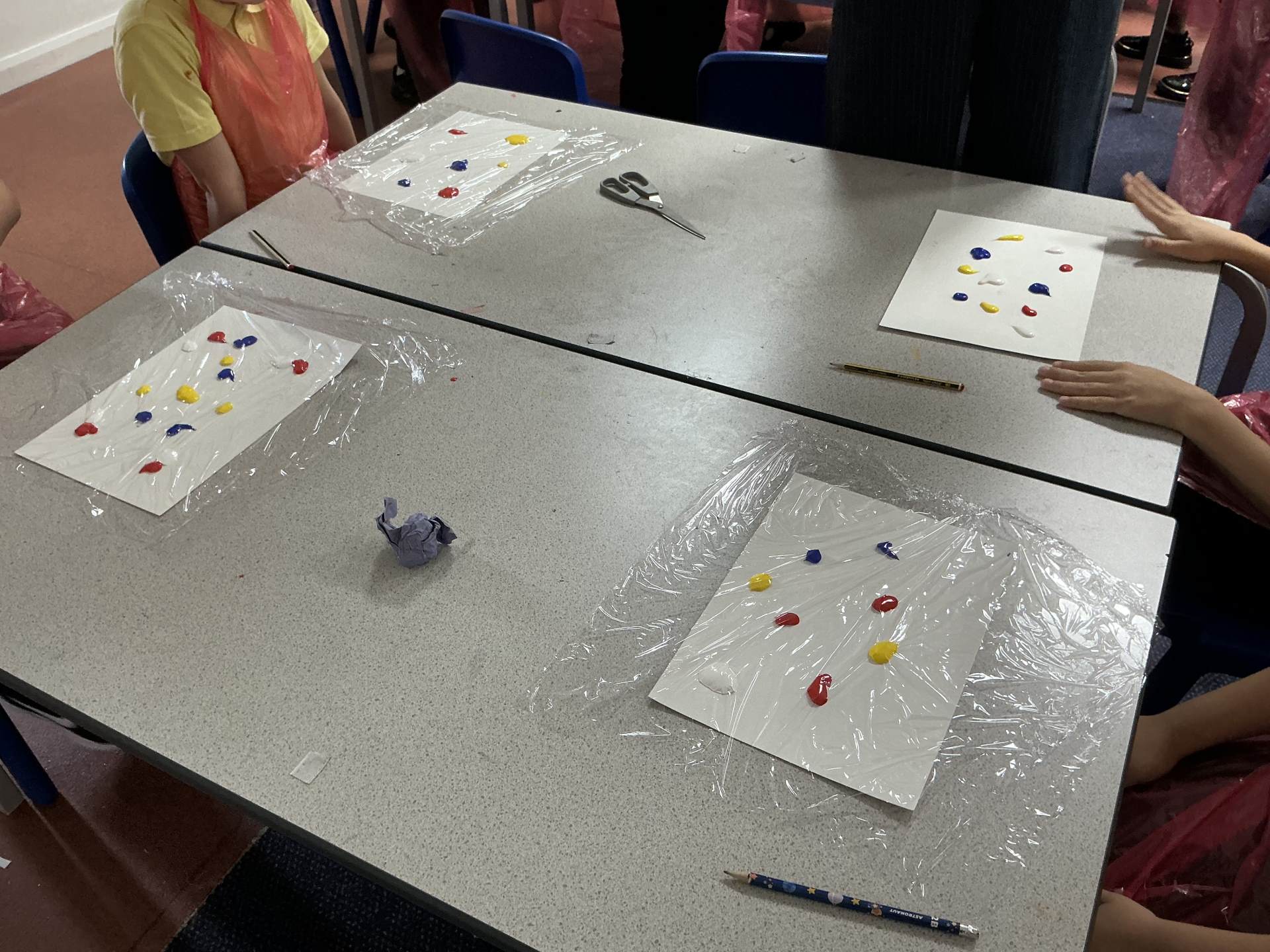
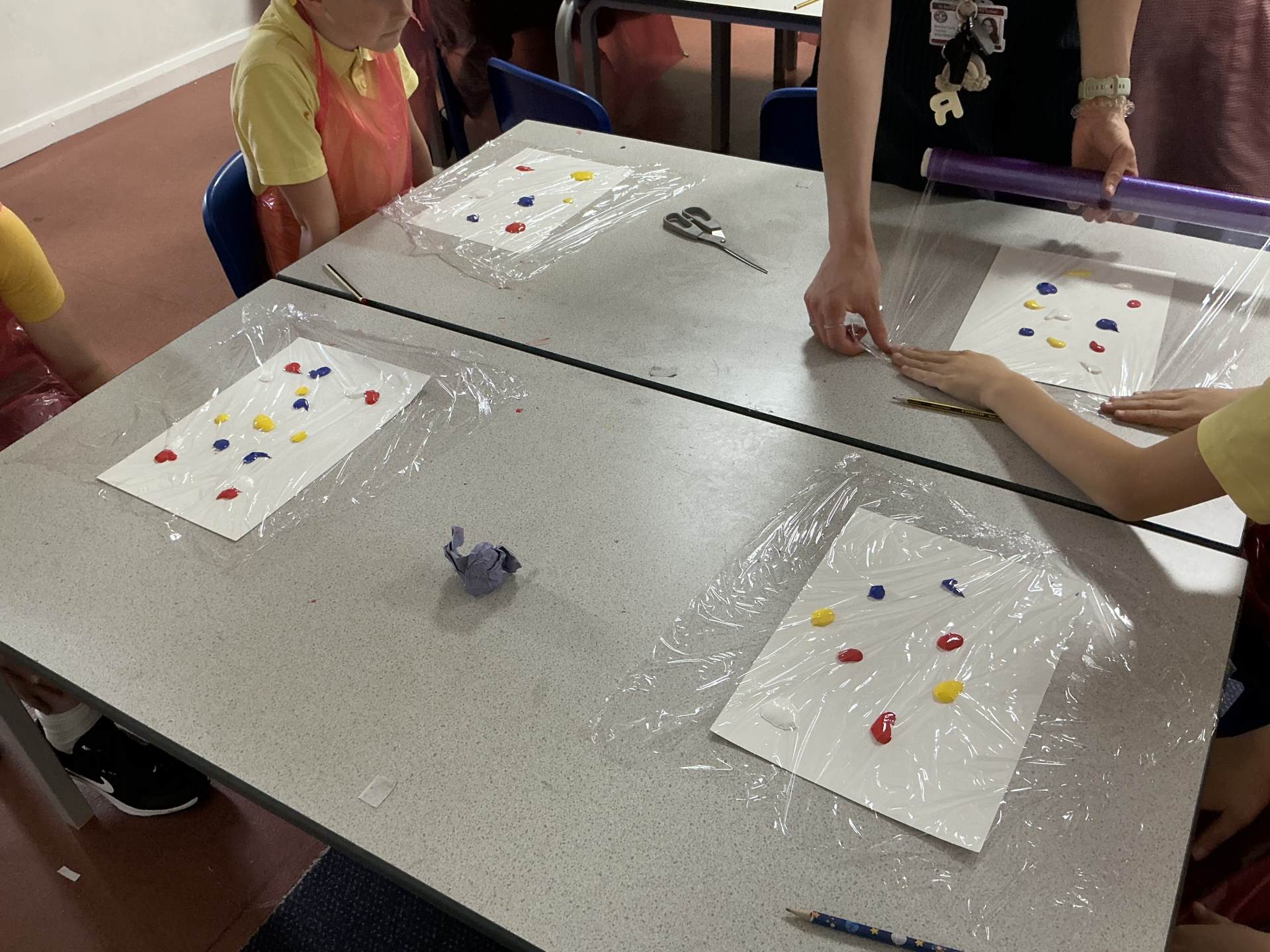
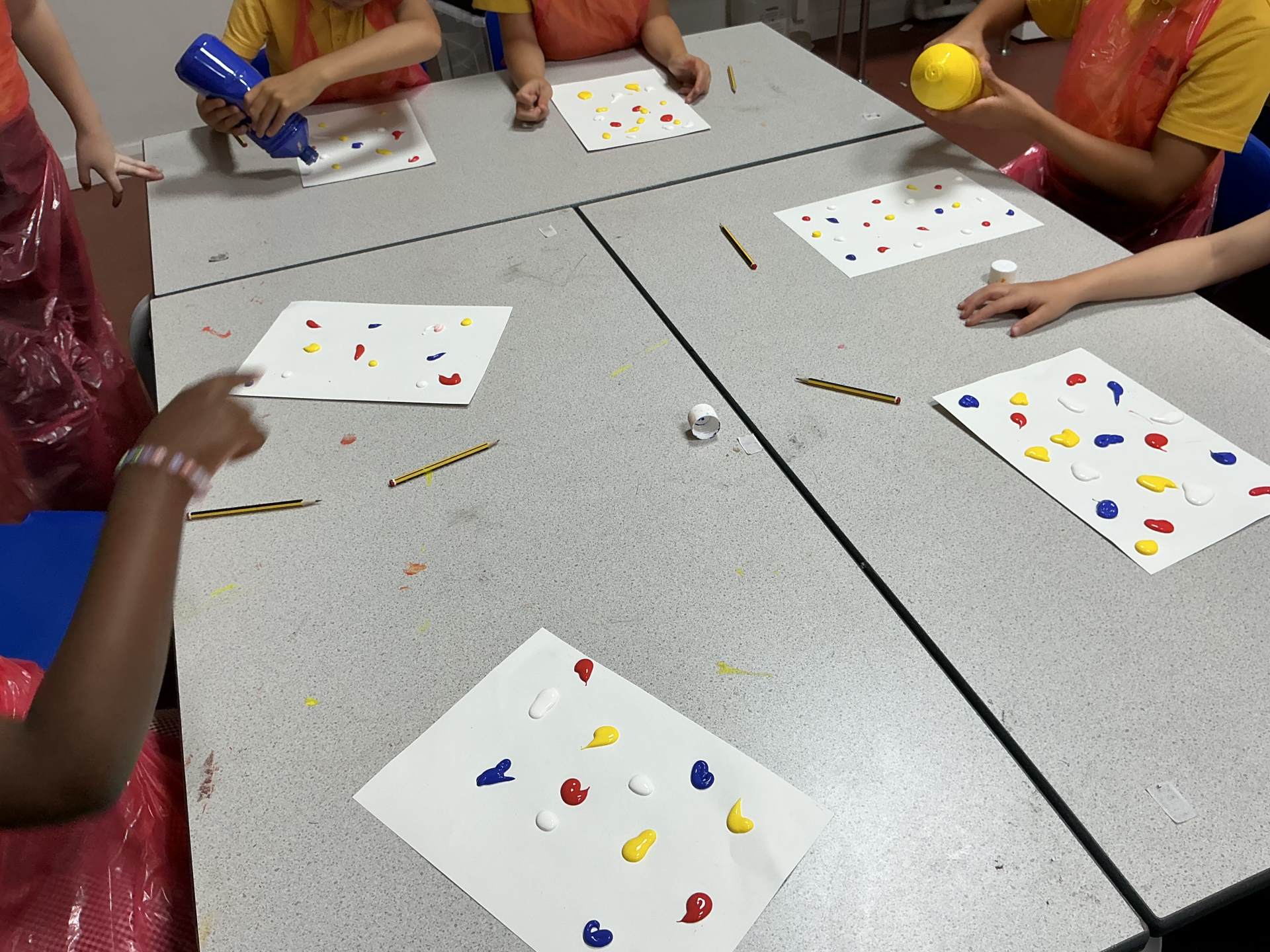
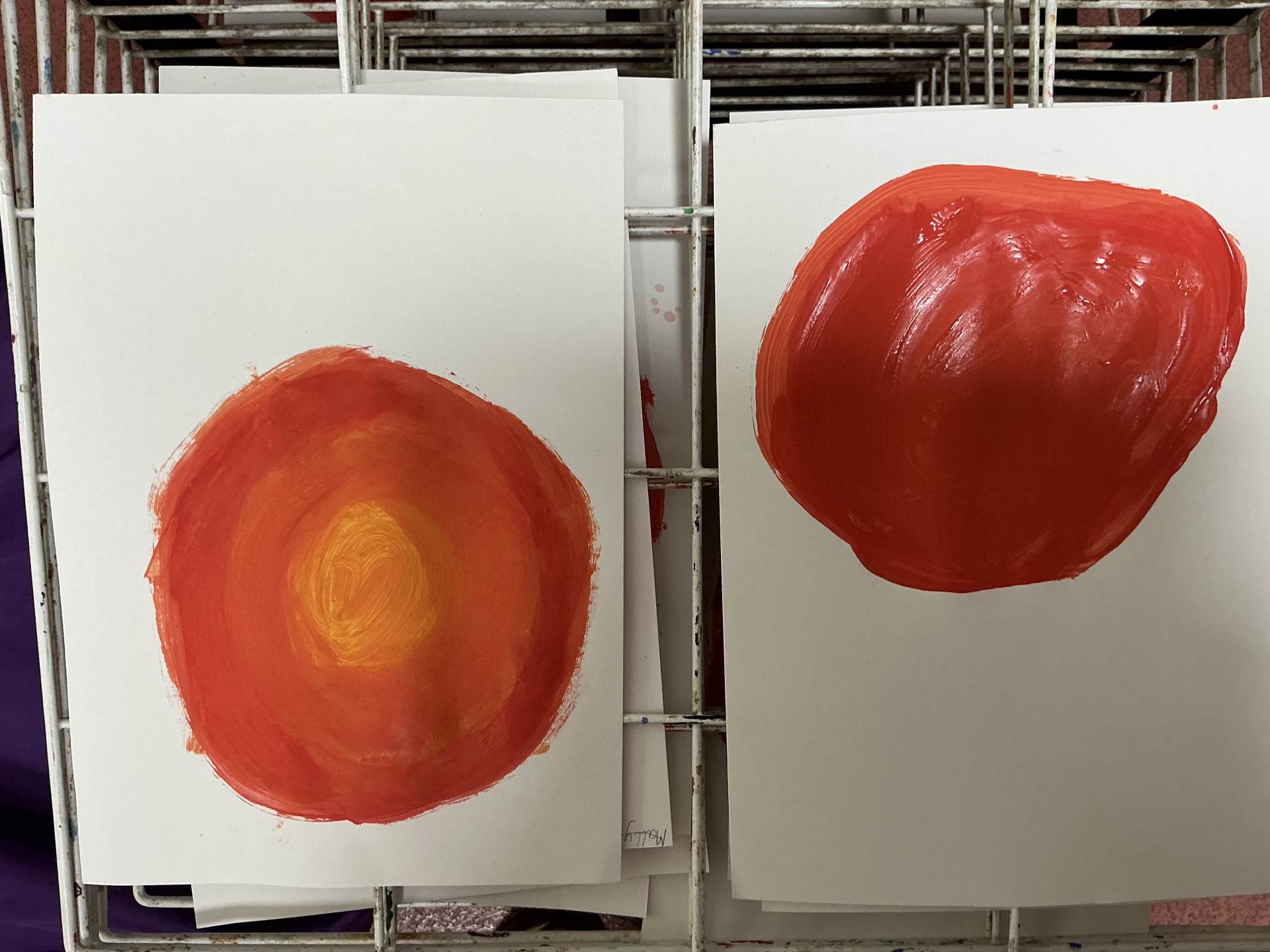
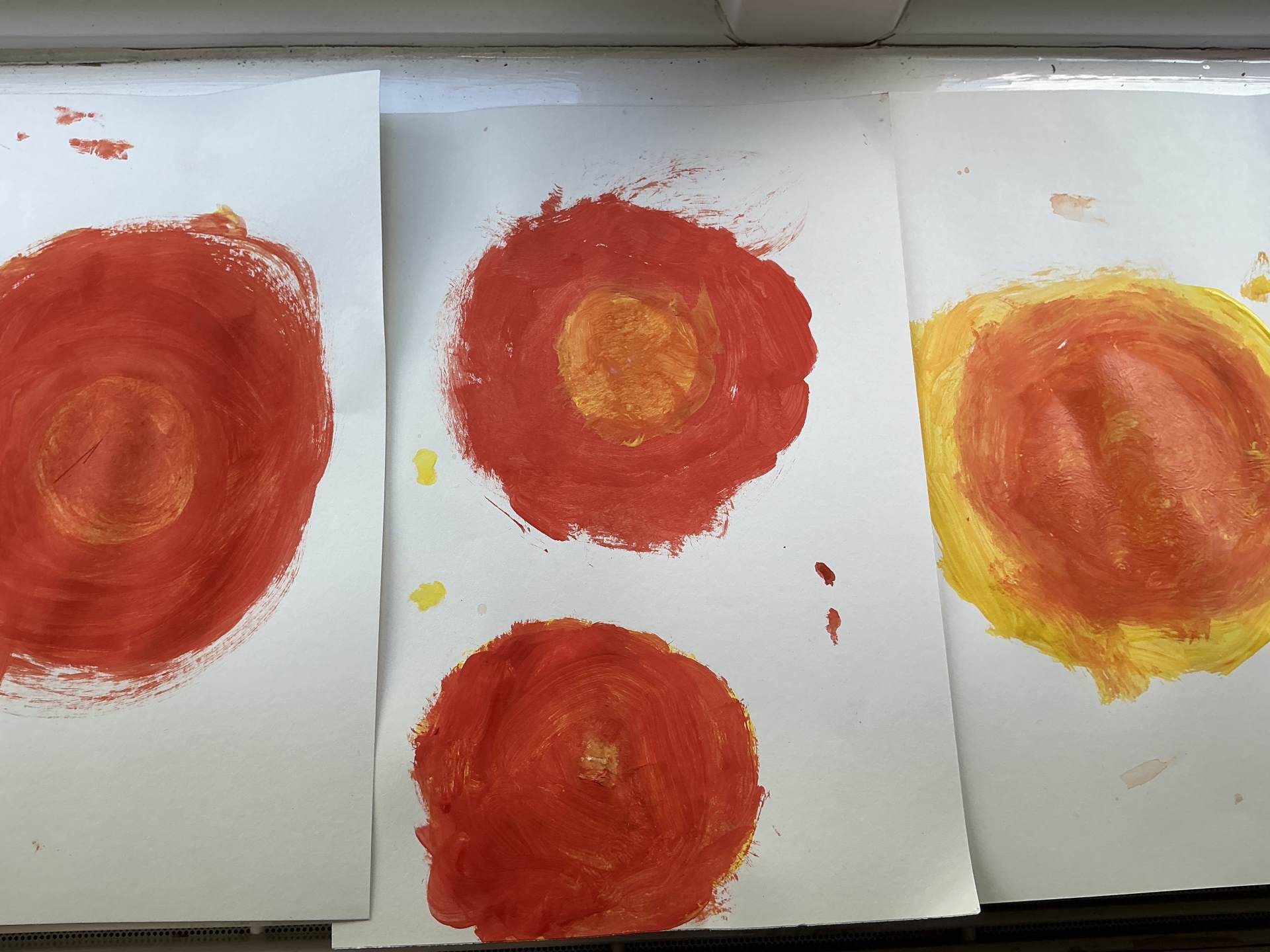
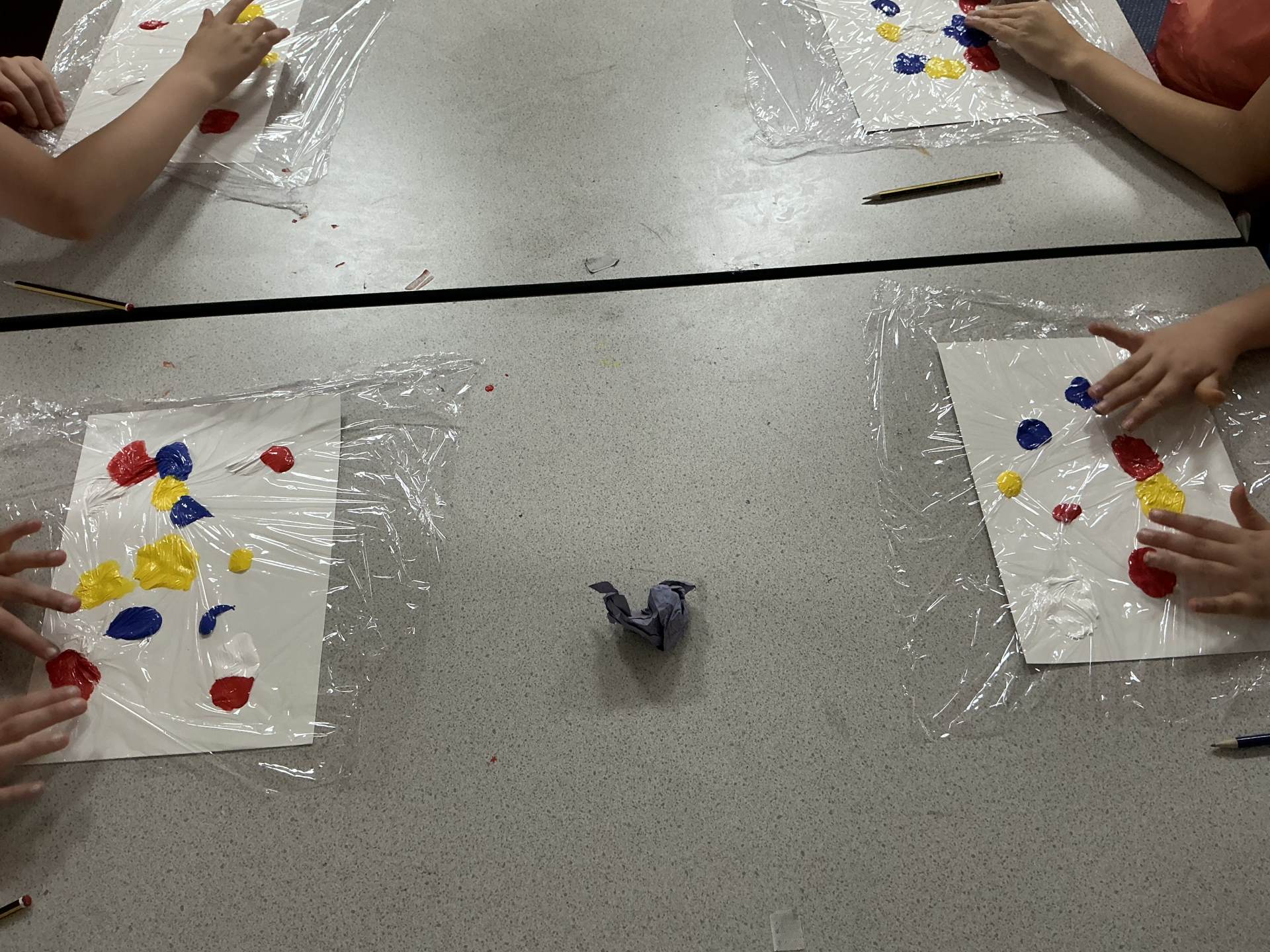
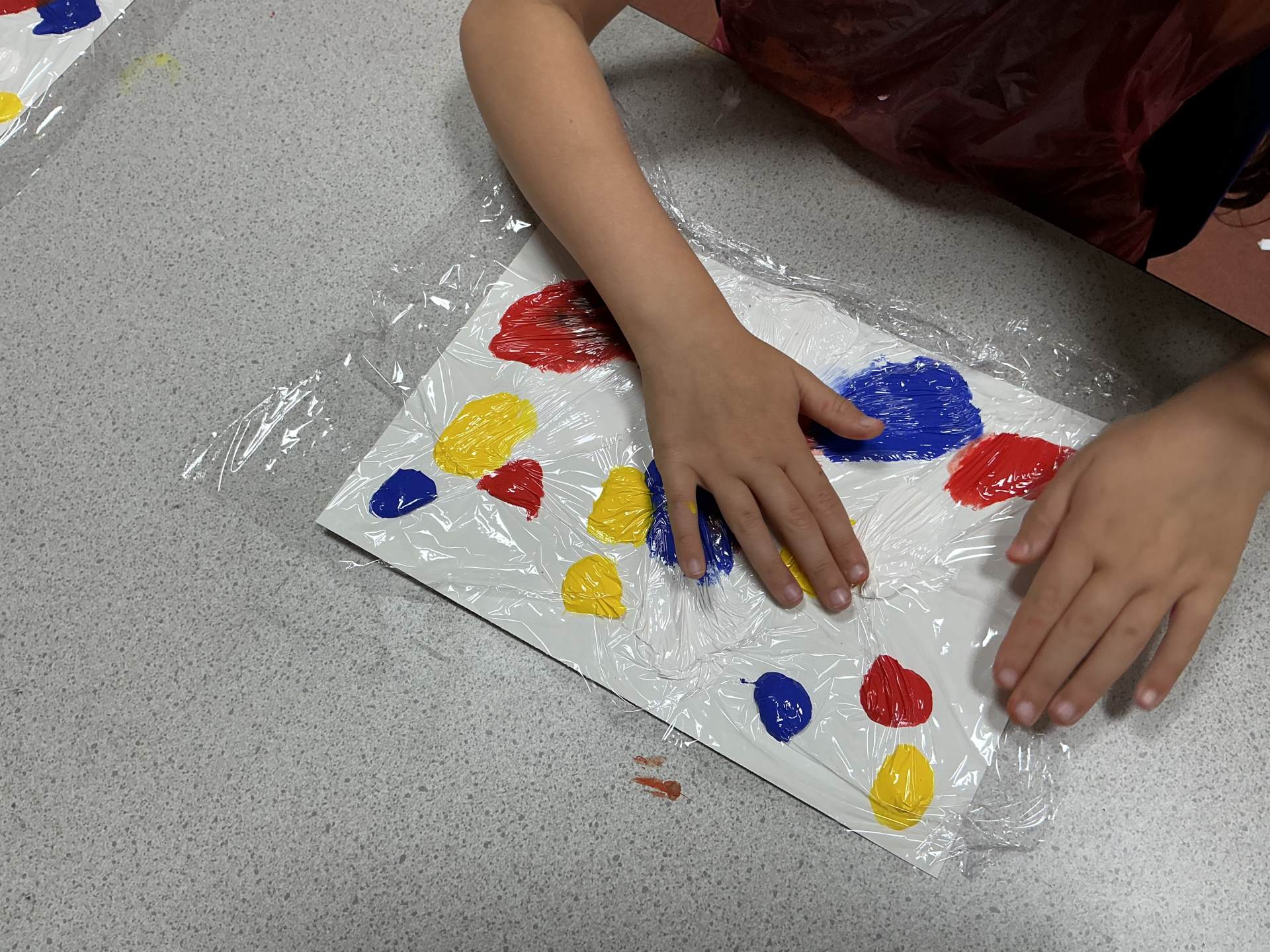
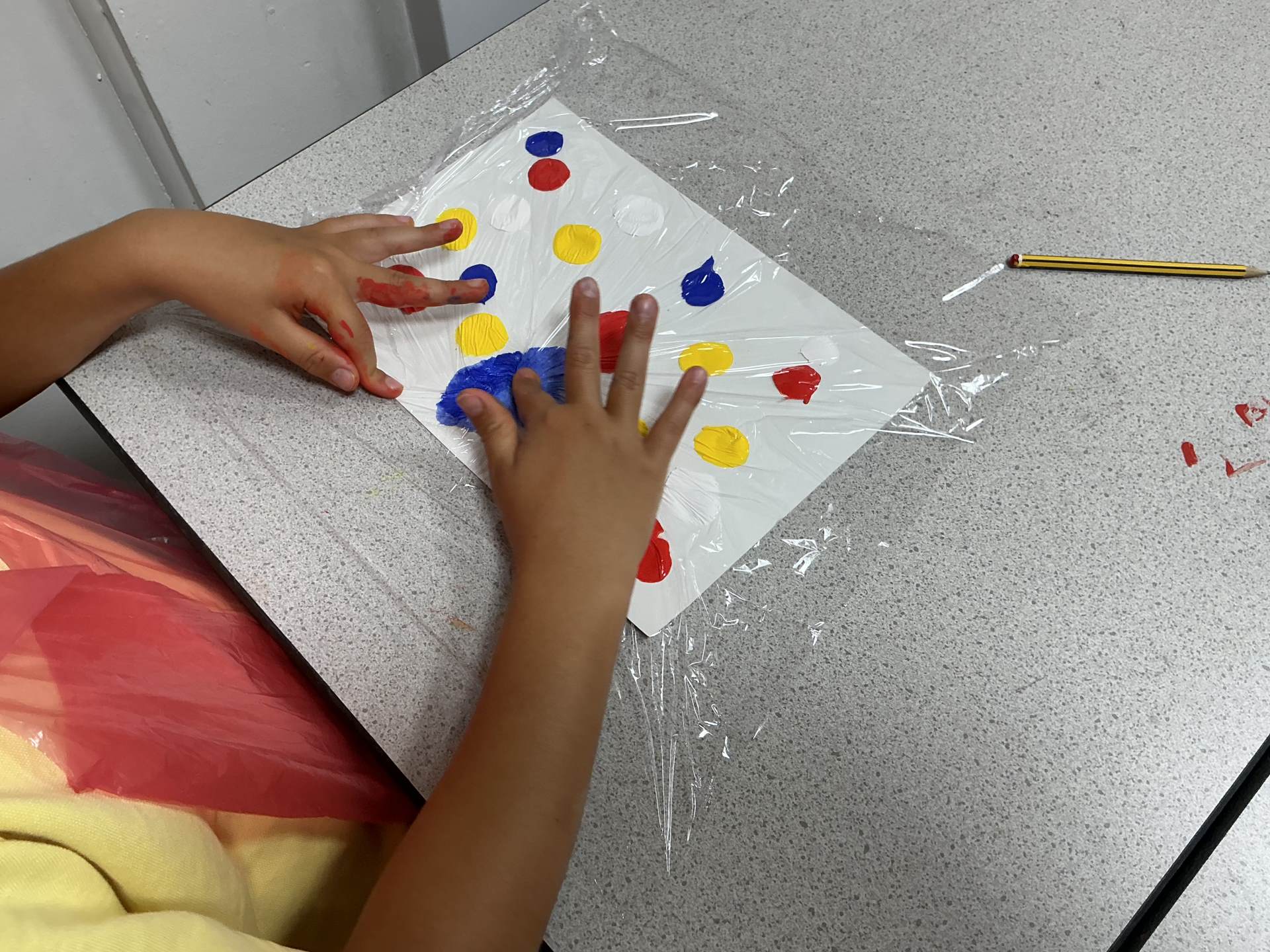
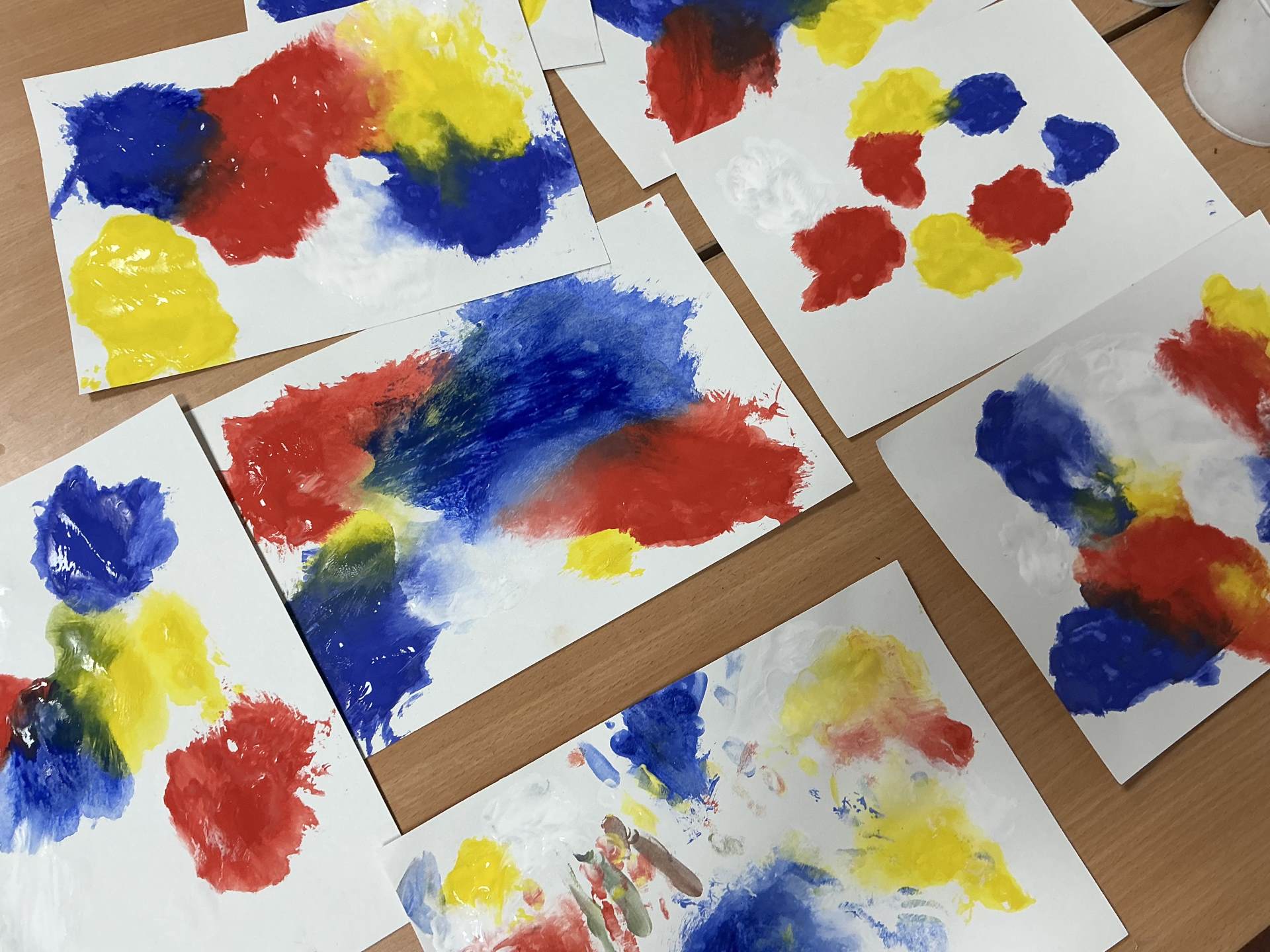
This half term in Art, our focus is on painting. Through this unit of work, pupils will explore different types of painting and will use a combination of techniques to create contrasting artwork.
Learning Challenges:
- What can I create with different mixes of colours?
- What is negative space?
- How can I create a silhouette?
- What are zentangle patterns?
- Can I create contrasting artwork?
National Curriculum Objectives:
- To improve their mastery of art and design techniques, including drawing, painting and sculpture with a range of materials.
- Create sketchbooks to record observations and revisit ideas.
- Develop control and use of materials through creativity and experimentation.
- Learn about great artists, architects and designers in history.
Computing
Coding
This half term in computing, our focus is on coding. Through this unit of work, pupils will be learning how to use the coding program on Purple Mash to plan, design and create programs using sequencing, repeating structures, selection and variables.
Learning Challenges:
- How can I use timers in a program?
- What do 'if' statements do?
- Why are coordinates important in coding?
- Can I code, test and debug a program I design?
National Curriculum Objectives:
- Design, write and debug programs that accomplish specific goals, including controlling or simulating physical systems; solve problems by decomposing them into smaller parts
- Use sequence, selection, and repetition in programs; work with variables and various forms of input and output
- Use logical reasoning to explain how some simple algorithms work and to detect and correct errors in algorithms and programs
- Use technology safely, respectfully and responsibly
PHSCE
Engage
This half term in PHSCE, our focus is engage.
We follow the myHappyMind program which is a whole-school approach to mental health and wellbeing that helps children understand how their brain works and how to take care of themselves mentally and emotionally. This scheme of work is science-based, grounded in neuroscience and positive psychology, and supported by research showing positive impact on children’s resilience and behaviour. It has been designed to build lifelong habits that support confidence, emotional regulation, relationships, gratitude and goal-setting.
Music
Jazz
This half term in music, our focus is on jazz music. Through this unit of work, pupils will be learning about the history of jazz music, where it comes from and the different techniques used to create jazz music.
Learning Challenges:
- Ragtime
- Traditional jazz
- Scat singing
- Jazz motifs
- Swung rhythms
National Curriculum Objectives:
- play and perform in solo and ensemble contexts, using their voices and playing musical instruments with increasing accuracy, fluency, control and expression
- improvise and compose music for a range of purposes using the inter-related dimensions of music
- listen with attention to detail and recall sounds with increasing aural memory
- develop an understanding of the history of music
Spanish
The People Around Me
This half term in Spanish, our focus is on familes. Through this unit of work, pupils will learn how to identify and introduce family and pets and spell their names.
Learning Challenges:
- Meet My Family
- Have You Got Any Pets?
- The Alphabet
- What's Their Name?
- How Do You Spell...?
National Curriculum Objectives:
- Identify and introduce some of their relations
- Name some common pets
- Recognise some of the letters of the Spanish alphabet
Class Gallery
Lavender Class
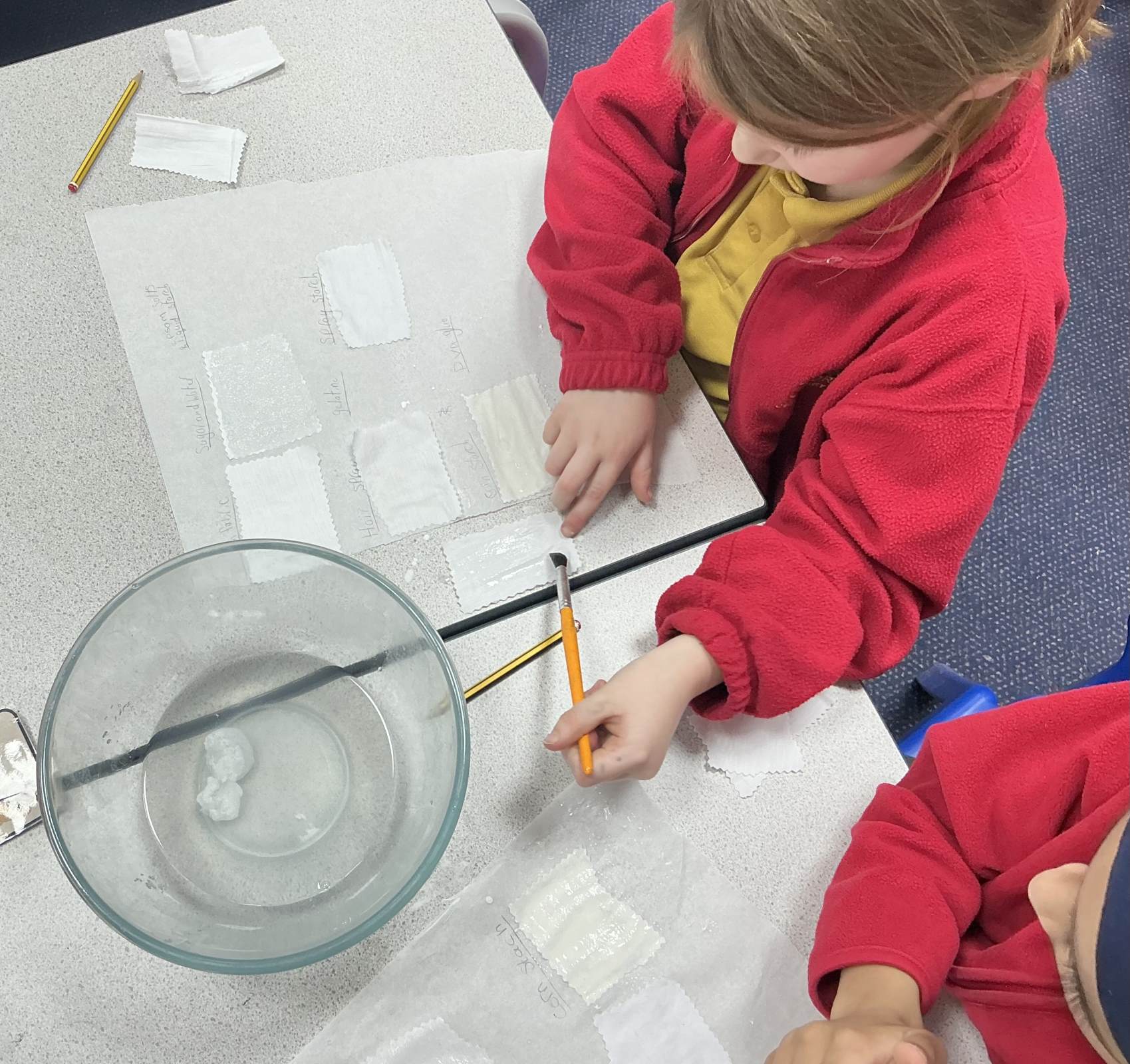
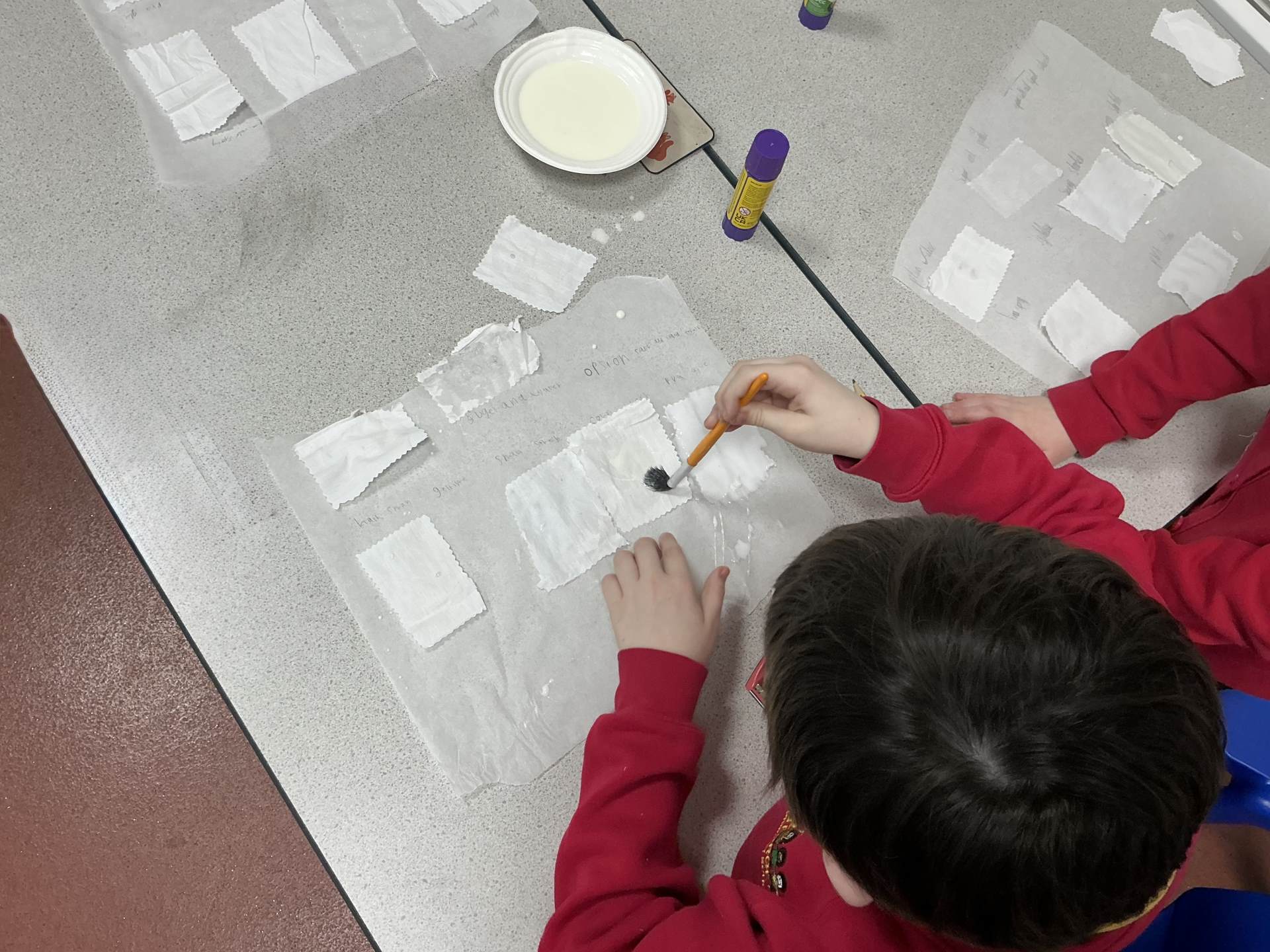
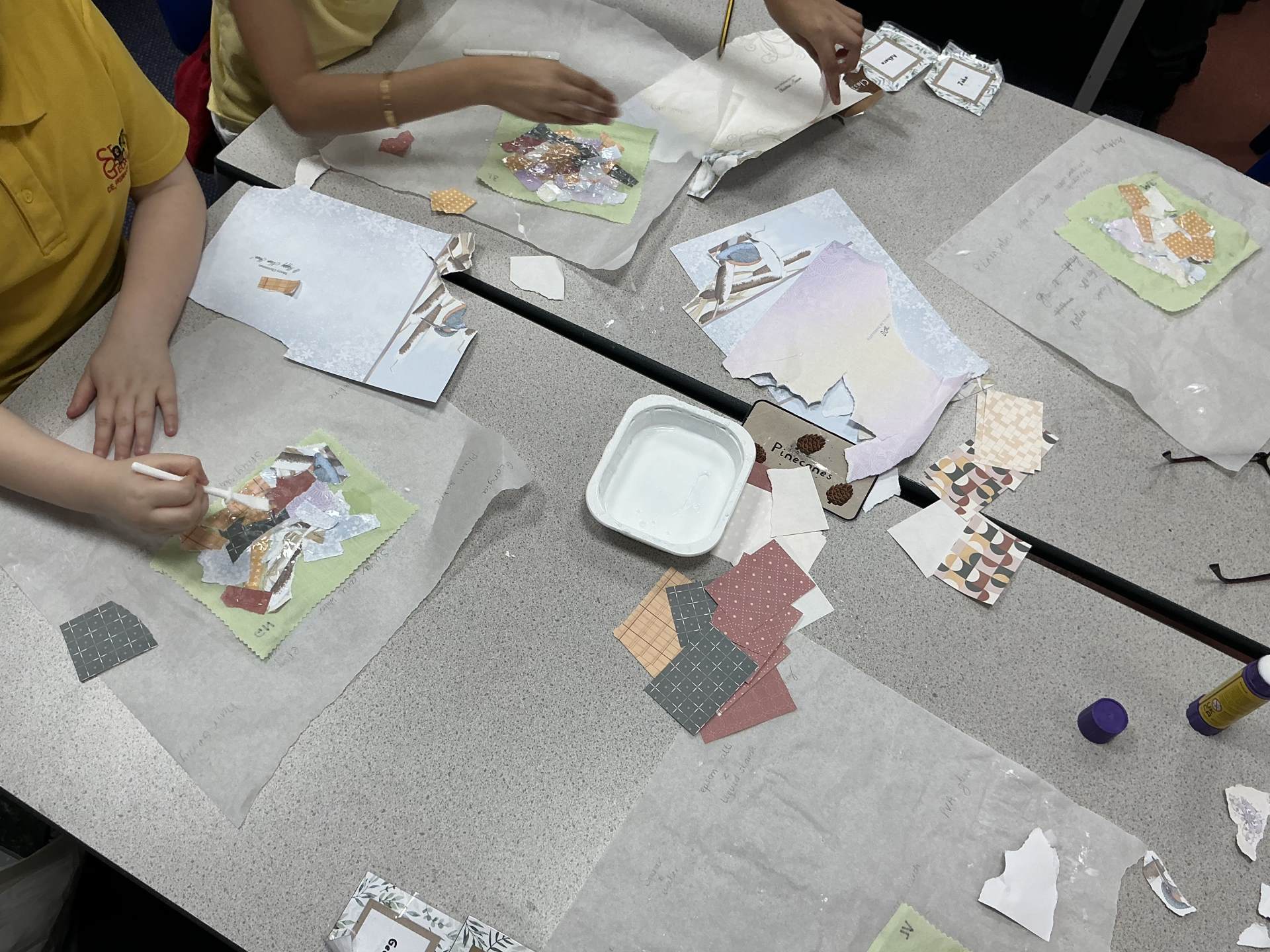
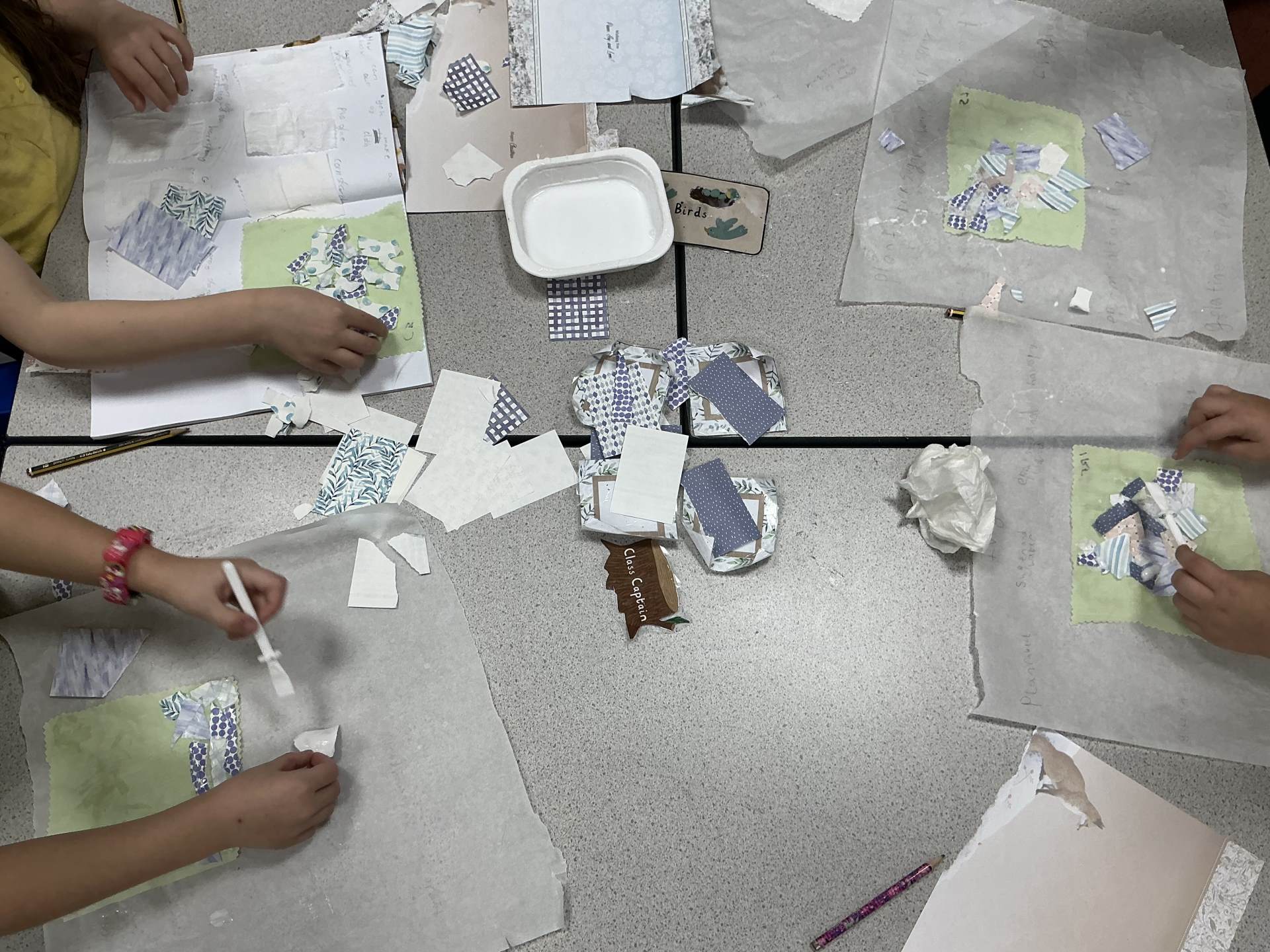
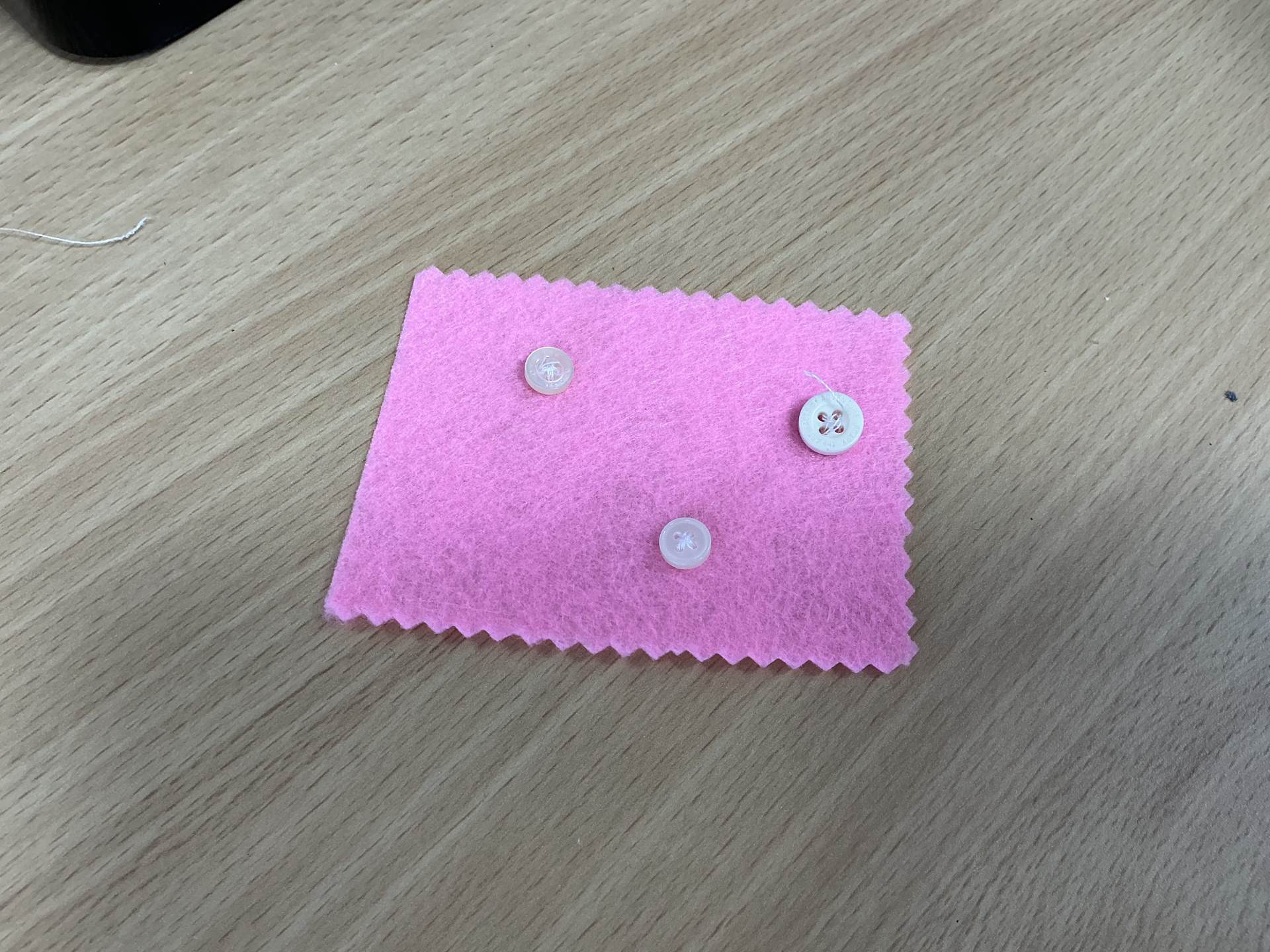
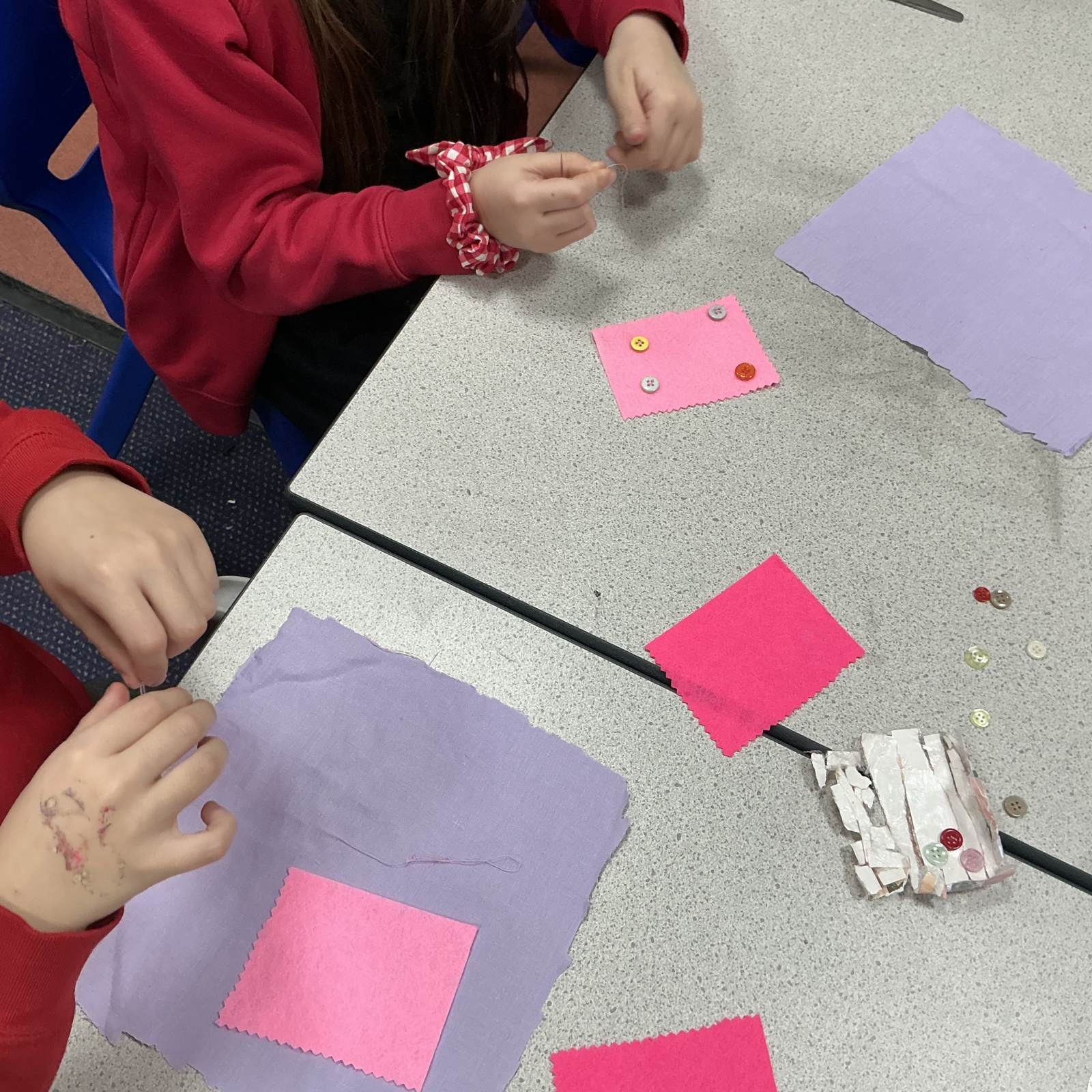
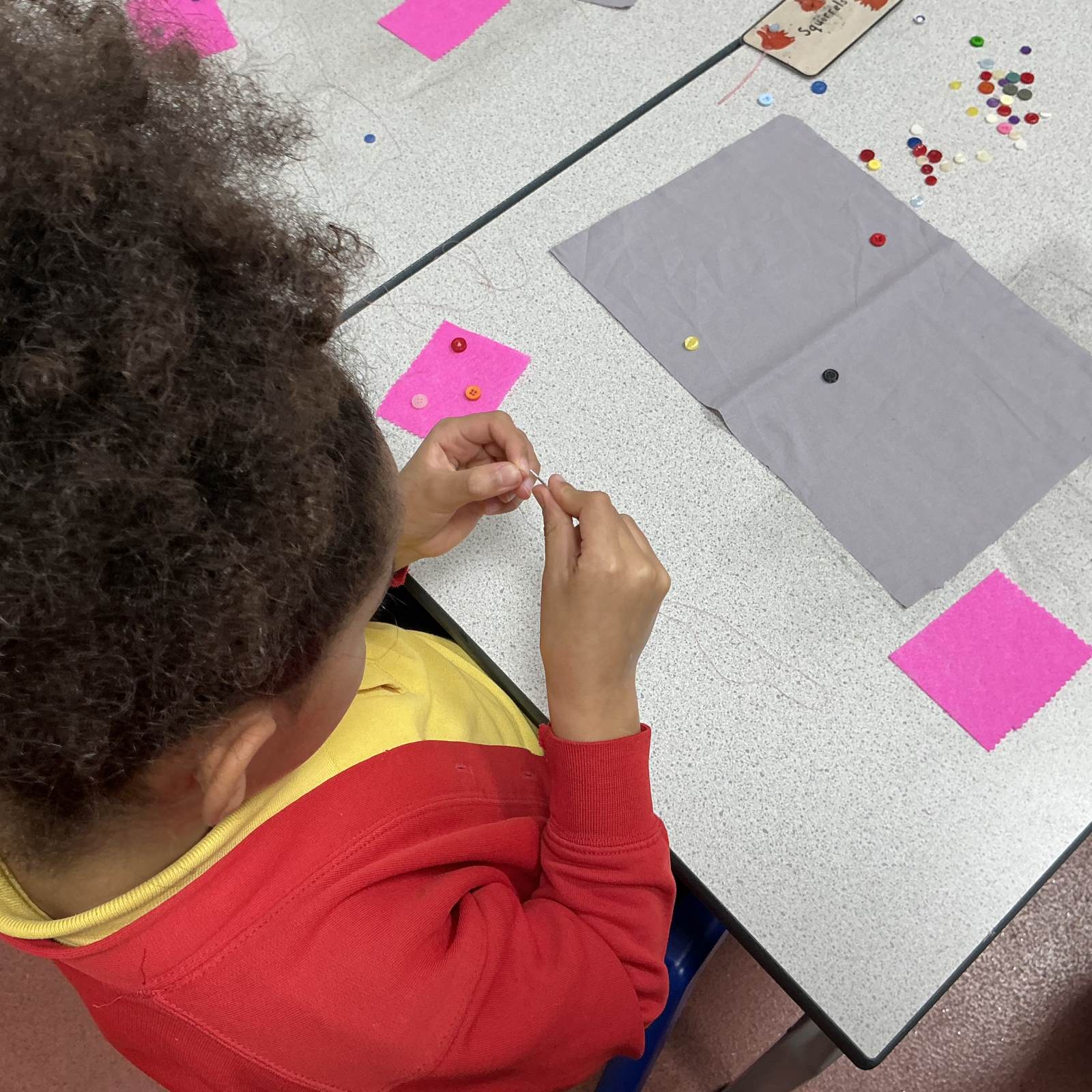
Lavender Class Overview
Take a look at our class overview for our learning this year
Website links
| English | Maths | History & Geography |
|
SPaG Glossary - Year 3 SPaG Glossary - Year 4 Writing mat - Year 3 Writing mat - Year 4 |
3D Geography | |
| Science & Computing | RE | Art & Music |
| Manchester Diocese YouTube | Spoons | |
| Health & Wellbeing | ||
|
50 Things to do before you’re 11 and ¾ The Dot |